

Not getting enough hot water is usually caused by water heater issues like sediment buildup, faulty heating elements, thermostat problems, or an undersized unit.
Dealing with inconsistent or limited hot water is a common household plumbing issue that can disrupt daily routines like showering, washing dishes, and laundry. Understanding the reasons for no hot water is important because the problem can come from several different sources—some simple and some more serious.
In many homes, hot water issues develop gradually over time due to wear and tear on the water heater, while in other cases, the problem appears suddenly due to a failing component or system malfunction. Identifying the root cause early can help prevent further damage, improve efficiency, and restore consistent hot water supply.
Whether you have a traditional tank water heater or a tankless system, knowing what to look for can save time and help you decide when it’s best to troubleshoot or call a professional plumber.
Common Causes of No Hot Water
1. Sediment Buildup in the Water Heater Tank
One of the most common reasons for no hot water is sediment buildup inside the tank. Over time, minerals from hard water settle at the bottom of the heater, reducing heating efficiency and limiting available hot water.

This buildup forces the system to work harder, often resulting in:
- Less hot water supply
- Longer heating times
- Rumbling or popping noises from the tank
Regular flushing can help reduce sediment accumulation and improve performance.
2. Faulty Heating Elements (Electric Water Heaters)
In electric water heaters, heating elements are responsible for warming the water. If one or both elements fail, the system may produce only lukewarm water or none at all.
Signs of a failing heating element include:
- Inconsistent water temperature
- Hot water that runs out quickly
- No hot water in certain fixtures
This is a common repair that often requires professional replacement.
3. Thermostat Issues
A malfunctioning thermostat can also lead to hot water problems. If the thermostat is set too low or is not functioning properly, the water may never reach the desired temperature.
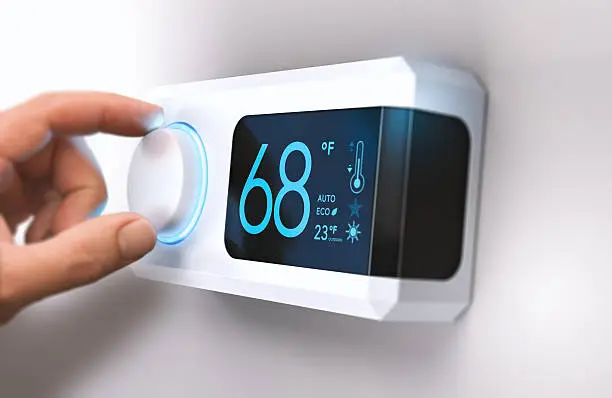
Common symptoms include:
- Water that never gets fully hot
- Sudden temperature changes
- Inconsistent heating cycles
Adjusting or replacing the thermostat may resolve the issue.
4. Undersized Water Heater
Another overlooked cause among the reasons for no hot water is an undersized unit. If the water heater is too small for household demand, it may not be able to keep up with usage.
This often results in:
- Hot water running out quickly
- Long recovery times between uses
- Limited hot water during peak usage hours
Upgrading to a properly sized unit can significantly improve performance.
5. Broken Dip Tube
The dip tube directs cold water to the bottom of the tank for heating. If it breaks or deteriorates, cold water may mix with hot water at the top, reducing overall output temperature.
This issue can cause:
- Lukewarm water from taps
- Reduced hot water efficiency
- Inconsistent temperature delivery
6. Gas Supply or Burner Problems (Gas Water Heaters)
For gas water heaters, issues with the burner, pilot light, or gas supply can prevent proper heating.

Common problems include:
- Pilot light going out
- Faulty thermocouple
- Gas valve issues
When this happens, the system may stop producing hot water entirely.
7. Water Heater Age and Wear
Most water heaters have a limited lifespan. As the unit ages, components become less efficient and more prone to failure.
Older systems may experience:
- Reduced heating capacity
- Frequent breakdowns
- Rust or corrosion inside the tank
If your unit is near the end of its lifespan, replacement may be more cost-effective than repeated repairs.
8. High Hot Water Demand
Sometimes the issue is not a malfunction but usage patterns. Running multiple appliances or showers at the same time can exceed the system’s capacity.
This can lead to:
- Temporary loss of hot water
- Slow recovery time
- Uneven temperature distribution
Managing usage or upgrading capacity can help resolve this.
No Hot Water? Contact Service Experts
If you are experiencing ongoing issues with your water heater, it may be time to consult a professional. Many of the reasons for no hot water require inspection, repair, or replacement by a licensed plumber.
Five Star Plumbing is a trusted plumbing service provider based in the Nashville, Tennessee area, offering a wide range of residential and commercial plumbing solutions. Our services include faucet repair and installation, sink clog and drain repair, garbage disposal services, pipe leak repairs, shower valve and toilet repair, water line repiping, sewer and drain cleaning and repairs, water heater services for both tankless and conventional systems, and general commercial plumbing work.
Frequently Asked Questions
Why am I suddenly not getting enough hot water?
A sudden lack of hot water may be caused by a failing heating element, thermostat issues, sediment buildup, or problems with the gas or power supply to the water heater.
Why does my hot water run out so fast?
Hot water may run out quickly if your water heater is undersized, has sediment buildup, or is experiencing internal component failure.
Why is my water heater only producing lukewarm water?
Lukewarm water is often caused by a faulty thermostat, failing heating elements, or sediment affecting heat transfer inside the tank.
Can low water pressure affect hot water?
Yes. Low water pressure can reduce hot water flow and may be caused by pipe blockages, mineral buildup, or plumbing system issues that affect overall performance.


